Introduction
Understanding the differences between MRI vs CT for lumbar spine imaging is essential for clinicians diagnosing spinal issues. Both imaging techniques play crucial roles in evaluating lumbar spine conditions, yet they offer distinct insights. This article explains their uses, helping clinicians in Providence choose the right approach for their patients effectively.
We will cover causes and anatomy, symptoms and risk factors, evidence-informed exercises, posture tips, professional treatments, and lifestyle advice. This practical guide integrates related conditions such as lumbar sciatica management and physical therapy for back pain to support comprehensive patient care.
Causes & Anatomy
The lumbar spine consists of five vertebrae supporting the lower back, connecting the upper body with the pelvis. This area is prone to many conditions, including disc herniation, spinal instability, piriformis syndrome, and varying degrees of degeneration.
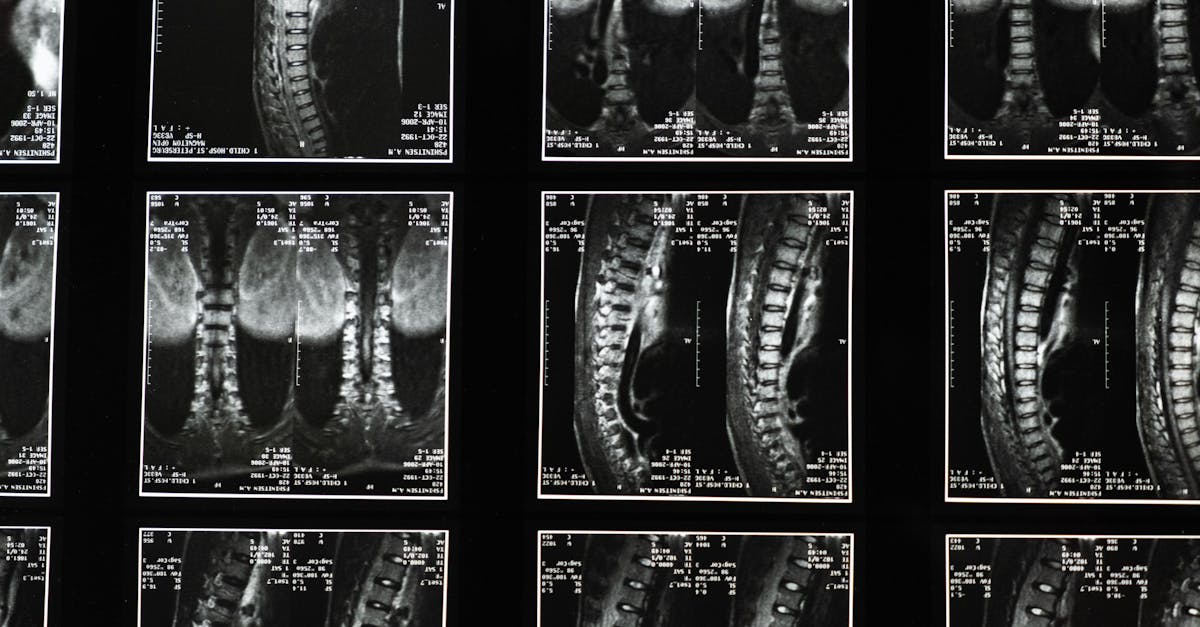
MRI (Magnetic Resonance Imaging) uses magnetic fields to create detailed images of soft tissues like discs, nerves, and muscles. It is highly sensitive for detecting disc herniations, nerve compression, and soft tissue abnormalities.
CT (Computed Tomography) uses X-rays and computer processing to generate detailed images of bones and can better identify bone spurs or fractures linked to spinal instability. CT is faster but involves exposure to radiation.
Symptoms & Risk Factors
Patients with lumbar spine issues often report lower back pain, leg pain, numbness, or weakness. Risk factors include aging, repetitive strain from activities such as pickleball (where pickleball back strain prevention is relevant), sedentary lifestyle, and previous spinal injuries.
Spinal instability may cause frequent episodes of pain and feeling of the back ‘giving out,’ while piriformis syndrome often leads to radiating pain due to sciatic nerve irritation.
At-Home Relief
For mild symptoms, clinicians can advise patients to modify activities to reduce strain on the lumbar spine. Applying heat packs can relax tight muscles, while ice can help decrease inflammation. Gentle mobility exercises encourage blood flow and flexibility without exacerbating pain.
Clinicians may recommend starting with low-impact movements and avoiding sudden bending or heavy lifting. Guidance on posture and mattress firmness is valuable; explore more on posture and ergonomics.
Evidence-Informed Exercises
Appropriate exercises are crucial for managing lumbar spine conditions characterized by instability or muscle tightness. Commonly advised exercises include:
- Chin tucks: Strengthen neck and upper spine muscles to improve posture.
- Thoracic extensions: Enhance spine mobility and relieve compensatory strain in the lumbar region.
- McKenzie-style exercises: Promote disc and nerve mobilization for pain relief.
- Core stabilization training: Improves lumbar spine support and reduces the risk of injury; learn safe self-care tips here.
Posture & Ergonomics
Educating patients on proper desk setup and body mechanics during lifting is essential. Ergonomic adjustments reduce lumbar strain and help prevent conditions related to spinal instability or piriformis syndrome.
Simple strategies include using a chair with lumbar support, maintaining a neutral spine, and lifting objects with knees bent. These habits reduce the likelihood of bulging discs and nerve compression.
Professional Treatments
When evaluating MRI vs CT for lumbar spine, the choice depends on clinical suspicion. MRI is preferred for soft tissue details, such as disc herniations causing leg pain or piriformis syndrome symptoms. CT is valuable when bony abnormalities like spinal instability or fractures are suspected.
Clinicians may refer patients for physical therapy, chiropractic care, or minimally invasive surgeries if conservative treatments fail. Imaging results guide these decisions strategically, as covered in our article on minimally invasive spine surgery.
Lifestyle & Prevention
Maintaining a healthy lifestyle supports lumbar spine health. Using the right mattress firmness can reduce pain associated with foraminal stenosis or sciatica; more details are available here. Regular walking programs improve circulation and spinal flexibility. Stress management and avoiding repetitive strain, such as in pickleball back strain prevention, are also key.
When To Seek Care
Advise patients to seek immediate care if they experience:
- Sudden numbness or weakness in the legs or groin
- Loss of bladder or bowel control
- Severe trauma to the back
- Fever with back pain, indicating possible infection
Early professional evaluation with appropriate imaging ensures timely treatment and reduces the risk of complications.
Conclusion
Choosing between MRI vs CT for lumbar spine depends on the clinical context and symptoms. Understanding the strengths of each imaging technique helps clinicians provide precise diagnosis and care. Incorporating evidence-informed exercises, posture corrections, and lifestyle modifications enhances patient outcomes. For more detailed guidance, explore additional resources on Back & Neck Pain Relief.
Disclaimer: This article is informational and not a substitute for professional medical advice. Seek immediate care for urgent symptoms.
FAQ
Which is better, MRI or CT for lumbar spine imaging?
MRI provides superior images of soft tissues like discs and nerves, making it preferable for most lumbar spine conditions. CT is better for detailed bone imaging, especially to evaluate fractures or bone spurs.
Can MRI detect spinal instability?
MRI can show changes suggestive of spinal instability but is less precise than dynamic tests. CT or X-rays may better assess bone alignment and instability under movement.
How can I prevent pickleball back strain?
Prevention includes warming up, strengthening core muscles, practicing proper techniques, and avoiding overuse. Using ergonomic posture habits during play is essential to avoid lower back strain.
Is imaging always necessary for low back pain?
Imaging is usually reserved for cases with severe symptoms, neurological deficits, or lack of improvement after conservative therapy. Clinical examination guides the need for MRI or CT.
What lifestyle changes help lumbar spine health?
Regular low-impact exercise, proper mattress firmness, good posture, and stress management all contribute to a healthy lumbar spine and reduced risk of conditions like foraminal stenosis or herniated discs.