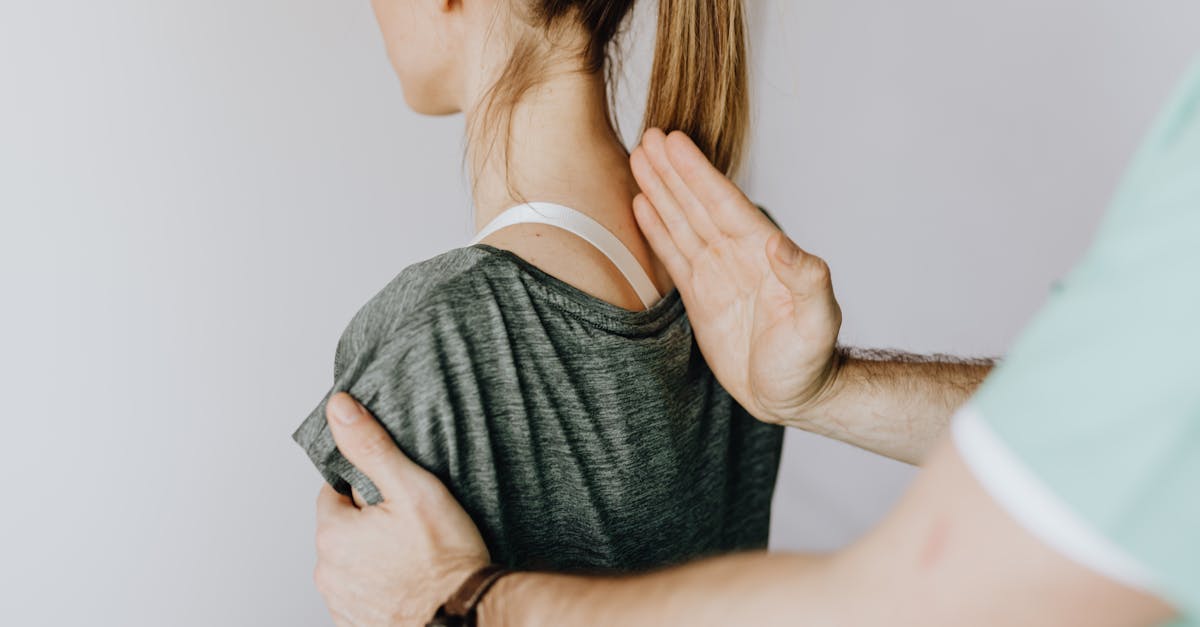
Chiropractic care and spinal manipulation are popular approaches to manage back and neck discomfort, especially among recreational athletes in Raleigh. These treatments can help improve spinal function, reduce pain, and support your active lifestyle. But when should you consider seeing a doctor about your symptoms?
This guide will explain the basics of chiropractic care and spinal manipulation, common causes and symptoms to watch for, and practical tips for relief and prevention. We’ll also highlight when professional evaluation is crucial to your health.
Understanding Causes and Anatomy
Chiropractic care focuses on correcting alignment issues in the spine to relieve pressure on nerves and improve overall function. The spine consists of vertebrae, discs, muscles, and ligaments. Sometimes, conditions like a bulging disc can cause discomfort by pressing on surrounding nerves.
Other surgical terms you might hear include laminotomy vs laminectomy; these are different procedures to relieve pressure on spinal nerves if needed. Understanding these terms can help you talk with your healthcare provider if your condition requires further intervention.
Symptoms and Risk Factors
Common signs that chiropractic care may help include localized back or neck pain, stiffness, muscle tightness, and limited mobility. Recreational athletes might notice pain worsening after activity or persistent discomfort that affects performance.
Risk factors include poor posture, repetitive strain, improper lifting mechanics, and previous injuries. Being aware of these can help you take proactive steps in your daily routine.
At-Home Relief Strategies
Before seeking professional help, try these simple self-care techniques to ease minor symptoms:
- Modify activities to avoid painful movements.
- Apply heat or ice packs to reduce inflammation and soothe muscles.
- Perform gentle mobility exercises to maintain spine flexibility.
For guidance on mattress choices that support neck health, check out How Mattress Firmness Affects Neck Pain.
Evidence-Informed Exercises
Incorporating specific exercises can improve spinal health and complement chiropractic care, including:
- Chin tucks to strengthen neck muscles.
- Thoracic extensions to increase upper back mobility.
- McKenzie-style exercises targeting lumbar spine relief.
- Core stabilization routines to support spinal alignment.
Learn more about spinal stability with our guide on Understanding Annular Tear Causes, Relief Techniques, and Core Stabilization Training in 2025.
Posture and Ergonomics
Adopting proper posture and ergonomics during daily activities lessens spinal stress. This includes:
- Setting up your desk to maintain a neutral spine.
- Using correct lifting mechanics to avoid injury.
- Taking regular breaks to stretch and move.
Our article on How Posture and Ergonomics Impact Your Back and Neck Health in 2025 offers detailed advice.
Professional Treatments
If symptoms persist despite self-care, consulting a chiropractor or physical therapist in Raleigh can be beneficial. They provide spinal manipulation, tailored exercises, and post-op rehab support if surgery is involved.
Imaging tests or minimally invasive procedures might be necessary for complex issues, such as severe nerve compression. Understanding options like decompression surgery for foraminal stenosis can prepare you for informed discussions with specialists.
Lifestyle and Prevention
Maintaining spinal health includes:
- Choosing supportive sleep surfaces.
- Engaging in regular walking or low-impact activities.
- Managing stress through relaxation techniques.
Consistent care can reduce the risk of worsening conditions like a bulging disc or other degenerative problems.
When to Seek Medical Care
Seek immediate medical attention if you experience any red flags such as:
- Sudden numbness or weakness in limbs.
- Loss of bladder or bowel control.
- Severe trauma to your back or neck.
- Fever accompanying spinal pain.
These signs may indicate serious underlying issues needing urgent evaluation beyond chiropractic care and spinal manipulation.
Conclusion
Chiropractic care and spinal manipulation can play a vital role in managing back and neck pain for recreational athletes in Raleigh. Combining self-care, posture awareness, and professional treatment helps maintain your active lifestyle.
Explore more about conditions like bulging disc treatment and tailored rehabilitation strategies at Back & Neck Pain Relief.
Disclaimer: This article is informational only and not a substitute for professional medical advice. Please consult your healthcare provider for personalized care.
FAQ
What conditions can chiropractic care help with?
Chiropractic care is effective for managing various musculoskeletal issues, including back pain, neck pain, and certain nerve-related symptoms caused by spinal misalignments or soft tissue injuries.
Is spinal manipulation safe for recreational athletes?
When performed by a qualified professional, spinal manipulation is generally safe and can improve function and reduce pain. Always inform your provider about your health history and symptoms.
How do I know if I have a bulging disc?
Symptoms like localized pain, numbness, or tingling may suggest a bulging disc, but a proper diagnosis usually requires imaging studies interpreted by a healthcare professional.
What is the difference between laminotomy and laminectomy?
Both are surgical procedures to relieve spinal nerve pressure. Laminotomy removes a small part of the vertebral bone, while laminectomy removes a larger section. Your doctor determines the best approach based on your condition.
What does post-op rehab involve?
Post-op rehab includes physical therapy and specialized exercises to restore mobility, strength, and function after spinal surgery, helping you return to your active lifestyle safely.